Bhutan 10-Day Itinerary — Bumthang, Gangtey, Punakha & Tiger's Nest
Paro · Thimphu · Punakha · Gangtey · Bumthang
Tour Information
- Bumthang valley — three days in Bhutan's sacred heartland with seven ancient monasteries and temples
- Kurjey Lhakhang — body-print of Guru Rinpoche preserved in rock, one of Bhutan's most sacred sites
- Phobjikha Valley — winter home of the black-necked crane, Gangtey Gompa at the valley rim
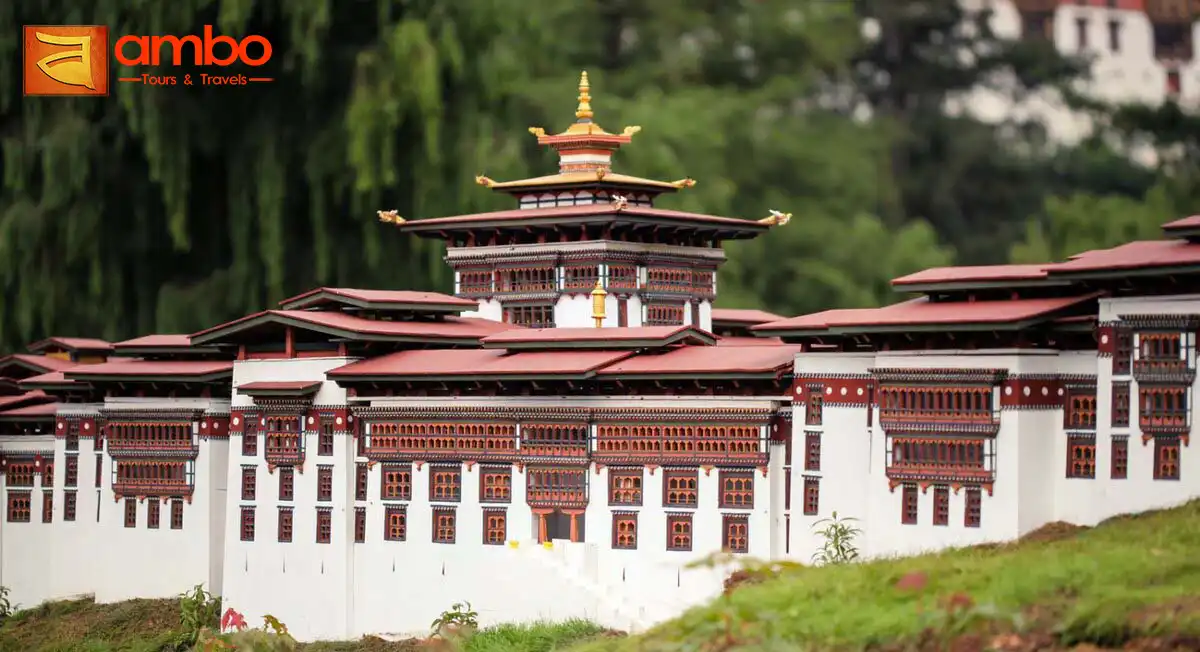
- Trongsa Dzong — ancestral seat of the Wangchuck royal dynasty above the Black Mountain gorge
- Mebar Tsho (Burning Lake) — sacred river gorge in Tang Valley where treasures were revealed
- Domestic flight Bumthang–Paro included — 25 minutes over the Himalayan ranges
- Tiger's Nest hike on a full dedicated day — no rushing, hot stone bath and farmhouse evening after
- Punakha Dzong at the confluence of the Pho Chhu and Mo Chhu rivers
- Fully private and guided — SDF (USD 100/night) and visa (USD 40) included
Ten days is the ideal duration for a first deep journey through Bhutan — long enough to reach Bumthang, the sacred valley at the cultural heart of the kingdom, while still covering the western highlights of Punakha Dzong, Phobjikha Valley, and Tiger's Nest. This itinerary travels further east than any 5 or 7-day tour, crossing Trongsa Dzong above the Black Mountain gorge and arriving in Bumthang for three full days of temple-hopping through some of the oldest sacred sites in Bhutan.
Days 6 and 7 in Bumthang cover the Choekhor Valley monasteries — Jambay Lhakhang (659 AD), Kurjey Lhakhang (body-print of Guru Rinpoche), Tamshing Lhakhang (500-year-old murals) — and a Tang Valley excursion to the Burning Lake (Mebar Tsho) and Ogyen Choling Palace Museum. A domestic flight from Bumthang back to Paro saves two days of mountain driving and is included in the package price.
Day 9 is reserved entirely for Tiger's Nest — the hike done properly, without time pressure, followed by a hot stone bath and farmhouse evening. Operated by Ambo Tours, DOT Licence No. 1053330, Thimphu.
Tour Pricing
10 Days Bhutan Journey — Cost
All prices in USD per personCost includes Sustainable Development Fee (SDF) of US $100 per person per night and Bhutan Visa Fee of US $40 per person. Entrance fees for monuments and festival visits are paid separately.
Detailed Itinerary
Your Bhutan travel adventure begins the moment you land at Paro International Airport, cradled in a stunning mountain valley flanked by ancient dzongs and emerald forests. Your licensed guide and driver will receive you warmly — the first step of an unforgettable Bhutan holiday — before beginning the scenic drive toward Thimphu, the world's only capital city without a single traffic light.
- Tamchog Monastery – En route to Thimphu, pause to view this 15th-century Bhutan monastery built by the iron-bridge master Thang Tong Gyalpo, perched above the rushing Paro Chhu river.
- Memorial Chorten – A revered spiritual landmark and hub of daily devotion in Thimphu, reflecting the very heart of Bhutan Buddhist culture.
- Buddha Dordenma (169 feet) – One of the tallest Buddha statues on earth, overlooking the entire Thimphu valley with breathtaking panoramic views — unmissable Bhutan sightseeing.
- Changangkha Lhakhang – A 12th-century temple perched on a ridge above Thimphu, one of the most sacred Bhutan monastery sites in the valley.
- Takin Preserve Center – Meet Bhutan's quirky national animal, the Takin, in a natural hillside habitat — a charming and uniquely Bhutanese experience.
- Dupthop Nunnery – A peaceful retreat offering insight into the lives of Bhutanese Buddhist nuns and the spiritual traditions of the kingdom.
Practical tip: Thimphu sits at 2,334 m above sea level — take it easy on arrival, drink plenty of water, and avoid alcohol on your first night. April is among the best times to visit Bhutan, with warm sunny days and blooming rhododendrons on the hillsides. Spend your evening strolling Norzin Lam, Thimphu's lively main street, for shopping and photography.
Local experience: Begin your culinary journey tonight with a bowl of Ema Datshi — Bhutan's beloved national dish of chili and melted cheese — fiery, comforting, and entirely unforgettable.
Tomorrow, a full day of cultural discovery reveals the museums, archery grounds, and royal dzong of Thimphu in all their glory.
Thimphu is unlike any capital on earth — a small, vibrant city of approximately 150,000 people where Bhutan Buddhist culture, royal heritage, and the philosophy of gross national happiness (GNH) infuse every street and institution. Today's full day of Bhutan sightseeing is among the richest cultural experiences in any Bhutan itinerary.
- National Postal Museum – Celebrate Bhutan's world-famous philatelic heritage, including stamps printed on silk, bamboo, and even steel — a true Bhutan hidden gem.
- Craft Bazaar – Browse handmade textiles, masks, and traditional crafts in the heart of Thimphu — a wonderful introduction to sustainable tourism Bhutan.
- Textile Museum – Discover the extraordinary artistry of Bhutanese weaving, where patterns and colors tell stories of region, rank, and ritual.
- School of 13 Arts and Crafts (Zorig Chusum Institute) – Watch students master ancient disciplines — thangka painting, wood carving, embroidery, and lacquerwork — a cornerstone of any Bhutan cultural tour.
- Simply Bhutan Museum – Enjoy lunch here in a beautifully restored farmhouse museum, sampling traditional cuisine in an authentic Bhutanese setting.
- Changlimithang Archery Stadium – Witness Bhutan's national sport in action — a colorful, joyful cultural spectacle that is one of the most unique things to do in Bhutan.
- Tashichho Dzong – The majestic seat of Bhutan's royal government, this fortress-monastery glows golden at dusk and is the finest Bhutan dzong in the capital.
Practical tip: Dress modestly for temple and dzong visits — covered shoulders and knees are required. Carry a light jacket as Thimphu evenings can be cool. This Bhutan trip day is packed — wear comfortable walking shoes throughout.
Local experience: At Simply Bhutan, try Suja (butter tea) and red rice — staples of the Bhutanese table and a warming, deeply local culinary encounter on your Bhutan holiday.
Tomorrow, the landscape transforms dramatically as we cross the famous Dochula Pass and descend into the lush, subtropical valley of Punakha.
The drive from Thimphu to Punakha is one of the most celebrated road journeys in Bhutan travel — ascending through rhododendron forests that burst into crimson and pink in April, cresting at the iconic Dochula Pass, then descending into the warm, fertile valley that was once Bhutan's ancient capital.
- Dochula Pass (3,140 m) – Crowned by 108 Druk Wangyal Chortens and offering a sweeping panorama of snow-capped Himalayan peaks on clear days — one of the finest Bhutan landscape views in the entire kingdom.
- Chimi Lhakhang – Built in honor of Drukpa Kuenley,this fertility temple set among golden paddy fields is a quirky and beloved Bhutan monastery highlight of any Bhutan itinerary.
- Punakha Dzong – Built in 1637 by Shabdrung Ngawang Namgyal at the confluence of two rivers, this is widely regarded as the most beautiful Bhutan dzong in the kingdom. King Jigme Dorji Wangchuck convened the first National Assembly here in 1952.
- Khamsum Yulley Namgyal Choling Monastery – A rewarding hike through rice fields and forest leads to this hilltop Bhutan monastery with panoramic valley views — one of the best things to do in Bhutan for active travelers.
- Punakha Suspension Bridge (160 m) – Bhutan's longest traditional suspension bridge, swaying above the Mo Chhu river at dusk — an exhilarating close to a perfect day.
Practical tip: Punakha sits at just 1,242 m and is noticeably warmer than Thimphu — pack light, breathable clothing for the valley but keep layers for Dochula Pass. Wear good walking shoes for the Khamsum Chorten hike (45 minutes uphill). April offers ideal weather for this section of your Bhutan tour package.
Local experience: Try Hoentay — buckwheat dumplings filled with turnip greens and soft cheese — a regional western Bhutan specialty that is deeply satisfying after a day of hiking and Bhutan sightseeing.
Tomorrow, a scenic drive into one of the most beautiful valleys in the Himalayas — the glacier-carved bowl of Phobjikha and the sacred Gangtey Monastery.
Leaving the warmth of Punakha behind, today's drive climbs through forested ridges and open highlands into the magnificent Phobjikha Valley — considered by many Bhutan travel guides to be the most beautiful valley in the entire Himalayas, and a premier destination of sustainable tourism Bhutan. The upper part of the valley is known as Gangtey; the lower glacial bowl is Phobjikha, and together they form one of the great Bhutan hidden gems.
- Wangdue Phodrang Dzong – A brief roadside stop to admire this 1638 fortress-monastery built by Shabdrung Ngawang Namgyal, dramatically positioned above the Punak Chhu river — a striking Bhutan dzong en route.
- Gangtey Gompa Monastery – Built in 1613 by Gyaltse Pema Thinley, this is the only Nyingmapa monastery in western Bhutan and the spiritual anchor of the entire valley. Host to the celebrated annual Gangtey Tsechu festival, it is a cornerstone of Bhutan Buddhist culture.
- Black-Necked Crane Information Centre – Dedicated to the endangered cranes that migrate from the Tibetan plateau each winter, this center reflects Bhutan's extraordinary commitment to wildlife conservation and responsible Bhutan tourism.
- Evening exploration of the Phobjikha Valley floor (3,000 m) — walk the nature trail through wetlands and farmland as the sun sets over the surrounding ridges.
Practical tip: At 3,000 m, Phobjikha is significantly cooler than Punakha — warm layers are essential, especially in the evening. April is a lovely time to visit Bhutan here, with clear skies and fresh mountain air. The valley is partly vehicle-free in conservation zones, making walking both necessary and deeply rewarding.
Local experience: Arrange a farmhouse visit in Gangtey village for a cup of butter tea and buckwheat pancakes with honey — a simple, nourishing meal that connects you to the timeless rhythms of rural life on your Bhutan holiday.
Tomorrow, a long but spectacular drive east over the mountains brings us to the royal fortress town of Trongsa and the sacred valleys of Bumthang.
Today's grand traverse across Bhutan's central mountain highway is one of the most cinematic drives in any Bhutan tour package — passing through ancient forests, cresting high passes, and pausing at the ancestral royal stronghold of Trongsa before arriving in Bumthang, often called the Switzerland of Bhutan and the spiritual heartland of the entire kingdom.
- Trongsa Dzong (built 1648) – The ancestral seat of Bhutan's royal Wangchuck dynasty, dramatically perched on a spur above a deep river gorge. Every king of Bhutan has served as Trongsa Penlop before ascending to the throne — making this the most historically significant Bhutan dzong in the country.
- Ta Dzong Trongsa (built 1652) – Built by Chogyal Minjur Tempa, this watchtower is now the Royal Trongsa Museum, tracing the dynasty's history with fascinating exhibits and panoramic views of the dzong below — a highlight of Bhutan cultural tour in the central highlands.
- The drive crosses the Yotong La Pass (3,425 m) into the wide, sacred valleys of Bumthang — Bhutan landscape at its most dramatic and awe-inspiring.
Practical tip: Pack lunch from your Gangtey hotel — dining options along this route are very limited. Start early (by 7:00 AM) to enjoy each stop comfortably. Bumthang sits at 2,600 m — the air is crisp and clean on arrival, so allow time to acclimatize before the next day's sightseeing. This is one of the most rewarding long driving days of any Bhutan trip.
Local experience: In Trongsa, look for hand-woven yathra — colorful geometric wool strips unique to this region and among the finest traditional textiles you'll find across Bhutan tourism. A beautifully affordable and meaningful souvenir.
Tomorrow, a full day of sacred temples and ancient monasteries in the spiritual heart of Bumthang.
Bumthang is the soul of Bhutan Buddhist culture — a cluster of four sacred valleys where Buddhism first took root in the 7th century, and where ancient temples, royal fortresses, and living religious traditions make this the most spiritually profound stop on any Bhutan itinerary. Today offers an extraordinary immersion in heritage that few destinations anywhere can match.
- Jakar Dzongthis commanding Bhutan dzong overlooks the Choekhor Valley and has anchored Buddhist life in Bumthang for centuries.
- Jambay Lhakhang (659 AD) – One of 108 temples built in a single day by Tibetan king Songtsen Gampo to pin down a demoness across the Himalayas — among the oldest and most sacred Bhutan monastery sites in the country.
- Chakhar Lhakhang – An ancient iron-castle temple with deep connections to the Indian saint Guru Sindhu Raja, adding another layer to Bumthang's extraordinary religious heritage.
- Kenchosum Monastery (6th century) – One of the oldest religious structures in the kingdom, reflecting the very origins of Bhutan Buddhist culture in these sacred valleys.
- Tamshing Lhakhang – Famous for its extraordinary 500-year-old murals painted by Pema Lingpa, considered the finest examples of early Bhutanese sacred art.
- Kurjey Lhakhang – A revered three-temple complex where the body-print of Guru Rinpoche is preserved in sacred rock — one of the holiest sites in all of Bhutan travel.
Practical tip: Bumthang mornings are crisp at 2,600 m — dress in warm layers that you can shed as the day warms. Wear modest clothing throughout and remove shoes before entering all temples. Carry a torch (flashlight) for darker inner sanctuaries.
Local experience: Try Bumthang buckwheat pancakes with local honey and cheese at a valley farmhouse restaurant — a beloved regional specialty. Wash it down with a Red Panda Beer, brewed locally in Bumthang and a proud product of sustainable tourism Bhutan.
Tomorrow, a scenic drive to the enchanting Tang Valley and the palace museum of Ogen Choling — a living window into Bhutanese noble heritage.
Today's excursion from Bumthang into the breathtaking Tang Valley is one of the most rewarding day trips on any Bhutan travel guide — a journey through sacred gorges, living history, and a palace-turned-museum that offers the most intimate window into the lifestyle of a Bhutanese noble family anywhere in the kingdom.
- Mebar Tsho (The Burning Lake) – A sacred gorge on the Tang River where the great treasure-revealer Pema Lingpa famously dove into the water holding a burning butter lamp and emerged with it still aflame, clutching a treasure chest. One of the most spiritually charged Bhutan hidden gems in the entire Bumthang region.
- Ogen Choling Palace Museum – A magnificent palace converted into a living museum to preserve its noble legacy and provide a center for religious study, research, and solitude. The beautifully captioned exhibits offer rare insights into the domestic rituals, artifacts, and traditions of a Bhutanese aristocratic household — a crown jewel of Bhutan cultural tour experiences.
- Free afternoon to stroll the Tang Valley floor — one of the most serene and photogenic Bhutan landscapes in the country, with traditional farmhouses, prayer flags, and distant snow peaks.
Practical tip: The drive to Tang Valley includes some winding road sections — carry motion sickness medication if needed. The walk around Mebar Tsho involves uneven riverside terrain; wear sturdy footwear. April weather in Tang is clear and pleasant, making this one of the best times to visit Bhutan's central valleys.
Local experience: The Tang Valley is known for its ara — traditional Bhutanese fermented spirit made from rice or maize — which local families often offer to visitors as a gesture of warm hospitality. Accept graciously and sip slowly; it is a genuine Bhutan trip cultural encounter.
Tomorrow, a short domestic flight transports you back to Paro, where the kingdom's finest dzong architecture and the anticipation of Tiger's Nest awaits.
Trading mountain roads for the skies, today's short domestic flight from Bumthang to Paro delivers one of the most spectacular aerial journeys in all of Bhutan travel — snow-capped Himalayan peaks, ancient valleys, and sacred river gorges spread below you like a living map of this extraordinary kingdom. Landing at Paro once more feels like a homecoming.
- Ta Dzong (National Museum of Bhutan) – Housed in a former watchtower above the dzong, this outstanding museum showcases Bhutanese art, natural history, coins, textiles, and armor — essential context for understanding Bhutan Buddhist culture and history on your Bhutan itinerary.
- Rinpung Dzong (built 1646) – Built by Shabdrung Ngawang Namgyal, this is the most celebrated Bhutan dzong in Paro and one of the finest examples of Bhutanese architecture and craftsmanship in existence. So visually extraordinary that scenes from the 1995 film Little Buddha were filmed here. It serves as the venue for the iconic annual Paro Tsechu festival.
- Evening stroll through Paro town — browse handicraft shops, photograph the medieval streetscapes, and absorb the unhurried charm of this heritage valley town.
Practical tip: Confirm your domestic flight departure time the evening before — Bumthang flights are weather-dependent and early morning departures are common. Dress modestly for dzong visits and wear comfortable walking shoes. Paro sits at 2,280 m — temperatures are pleasant in April with warm days and cool evenings.
Local experience: Try Jasha Maroo — spiced minced chicken with tomatoes and green onions — for dinner at one of Paro's traditional restaurants. It's one of the most popular dishes in Bhutan tourism kitchens and a perfect, warming meal before tomorrow's big hike.
Set your alarm early tonight — tomorrow brings the most iconic experience in all of Bhutan travel: the legendary hike to Tiger's Nest Monastery.
Paro saves its greatest gift for your penultimate day — the hike to Taktsang Monastery (Tiger's Nest), the most iconic site in all of Bhutan tourism and the image that has inspired travelers to visit Bhutan for generations. Clinging to a sheer 900 m cliff face above the valley, this sacred monastery is the undisputed highlight of any 10-day Bhutan itinerary and a UNESCO World Heritage-listed wonder of the world.
- Taktsang Monastery (Tiger's Nest) – Drive to Satsam Chorten, then begin the 2-hour hike up through blue pine and rhododendron forest. Built in 1692 around the cave where Guru Rinpoche meditated in the 8th century, the four sacred temples and gilded shrines of Tiger's Nest are profoundly moving — the pinnacle of Bhutan Buddhist culture and the centrepiece of any Bhutan trip.
- Drukgyel Dzong (built 1646) – Built by Shabdrung Ngawang Namgyal to commemorate victory over Tibetan invaders, this historic Bhutan dzong ruin at the head of the Paro Valley frames dramatic views of Mt. Jomolhari (7,314 m) on clear days.
- Kyichu Lhakhang (659 AD) – One of the oldest and most sacred Bhutan monastery sites in the kingdom, built by Tibetan king Songtsen Gampo and surrounded by blooming apple orchards in April — a beautiful, peaceful close to your Paro sightseeing.
Practical tip: Start the Tiger's Nest hike before 8:00 AM to beat both crowds and midday heat. Wear comfortable, layered hiking clothing and sturdy shoes; carry at least 1.5 litres of water. Horses are available for partial ascent if needed. Photography inside the temples is not permitted, but exterior views are extraordinary. This is one of the most rewarding things to do in Bhutan — pace yourself and savor every step.
Local experience: After the Tiger's Nest descent, celebrate with a traditional Bhutanese hot stone bath (Dotsho) at a local spa or farmhouse — heated river stones in a wooden tub infused with medicinal herbs. It is the most authentically Bhutanese way to restore tired legs and the perfect end to your Bhutan holiday's greatest day.
Tomorrow, this extraordinary Bhutan tour package comes to a close — but the memories of the kingdom of happiness will stay with you for a lifetime.
All great journeys in Bhutan end as they began — at Paro Airport, that extraordinary runway carved into a mountain valley where the outside world waits patiently and the spell of the kingdom lingers long after takeoff. Depending on your departure time, a final relaxed morning in beautiful Paro is yours to enjoy.
- A gentle final morning stroll through Paro town — browse the handicraft shops one last time for incense, handmade lokta paper products, thangka paintings, or prayer flags as meaningful keepsakes of your Bhutan travel.
- Ensure your Bhutan permit and travel documents are returned to your guide before departure — a formality that marks the official close of your Bhutan visa journey.
- Transfer to Paro International Airport for your onward flight — one final look at the forested valley ridges, fluttering prayer flags, and ancient dzong walls as Bhutan bids you farewell.
Your 10-day Bhutan tour package has taken you from the royal capital of Thimphu to the sacred valleys of Bumthang, from the subtropical warmth of Punakha to the glacial serenity of Phobjikha, and finally to the cliffside miracle of Tiger's Nest. Along the way, every dzong, monastery, valley, and farmhouse meal has told the same story: that this is a kingdom which has chosen gross national happiness over GDP, people over profit, and the sacred over the expedient.
Practical tip: Allow at least 2.5 hours before your flight for check-in and security at Paro Airport. The departure terminal has a small selection of craft shops for any last-minute Bhutan sightseeing souvenirs. Keep your warmest memories — and start planning your return, because Bhutan always calls you back.
Local experience: Before leaving, share a final cup of Suja butter tea with your guide — a small, warm ritual of gratitude that perfectly embodies the spirit of sustainable tourism Bhutan and the extraordinary human connections that make every Bhutan trip truly transformative. Kadrinchhe La — thank you, Bhutan.
Included / Excluded
- ✔All meals — breakfast, lunch, and dinner
- ✔Accommodation on twin / double sharing basis (single supplement extra)
- ✔All transportation within the kingdom including airport transfers
- ✔Sustainable Development Fee — Government tax (SDF)
- ✔Bhutan visa fee
- ✔English-speaking private local guide
- ✔Sightseeing as per itinerary
- ✔Bottled water throughout the journey
- ✖International flights to and from Paro (PBH)
- ✖Entrance fees for museums and monuments
- ✖Gratuities for guides and drivers
- ✖Travel insurance premiums
- ✖Payments for services provided on a personal basis
- ✖Cost for any services not mentioned under "Cost Includes"
- ✖Cost incurred due to mishaps, strikes, political unrest, etc.
- ✖Personal expenses — laundry, beverages, or personal services
Ambo Tours & the 1% Club
Every tour we run includes a contribution to a Bhutanese NGO of your choice — at no extra cost to you. We call this the 1% Club: a minimum of 1% of your trip's profit, or Nu 5,000, whichever is higher, donated on every single journey. You choose where it goes.
About This Itinerary
The 10-day Bhutan itinerary is built around a single conviction: that Bumthang deserves three full days. The sacred valley in central Bhutan — home to Jambay Lhakhang (659 AD), Kurjey Lhakhang, and the 15th-century murals of Tamshing Lhakhang — is where Bhutan's spiritual history is most concentrated and where the kingdom feels most itself. Shorter itineraries cannot reach it. This one is built so that Bumthang is not a rushed half-day but a genuine immersion.
The route travels west to east by road — crossing Dochula Pass to Punakha, continuing through Phobjikha Valley and the black-necked crane habitat at Gangtey, then driving through Trongsa Dzong and over Yotong La Pass to Bumthang. The return journey is by domestic flight — 25 minutes over the Himalayan ranges — saving two days of mountain driving and included in the package price.
Tiger's Nest on Day 9 has a full day dedicated to it — no morning museum visits, no afternoon driving. Start early, hike at your own pace, return for a traditional hot stone bath. This is how the Tiger's Nest hike should be done.
For travellers who want more time in western Bhutan, our 7-day Western Bhutan tour covers Thimphu, Punakha, and Gangtey at a more relaxed pace without the central Bhutan extension.
Best Time for This Itinerary
The 10-day itinerary works across most seasons with particular strengths in spring and autumn.
Spring (March to May) is the most popular season. Rhododendrons bloom along the Trongsa and Bumthang roads in April, the Paro Tshechu festival falls in March or April, and the domestic flight views of the central Himalayan ranges are exceptional before the pre-monsoon haze builds. The black-necked cranes depart Phobjikha Valley by mid-April.
Autumn (September to November) offers the best combination of weather, visibility, and festivals. The Thimphu Tshechu falls in September, Paro Tshechu in autumn years in October, and the Jambay Lhakhang Drup festival in Bumthang in October or November — directly on this itinerary. The black-necked cranes return to Phobjikha from late October. Dochula Pass views are at their clearest.
Winter (December to February) — cold but clear and empty. Bumthang is cold (nights can drop to -5°C) but the temples are quiet and the valley light is extraordinary. The domestic flight views are exceptional. Recommended for experienced Bhutan travellers returning for a second visit.
For a complete month-by-month breakdown see our best time to visit Bhutan guide.
Travel Tips
Bumthang altitude — Bumthang sits at approximately 2,600m, higher than Thimphu. Most visitors feel no significant effects, but the first evening in Bumthang can bring mild headache or fatigue. Stay hydrated, avoid alcohol on the first night, and take Day 6 at a gentle pace.
Temple dress code — covered shoulders and knees are required at all temples and dzongs including Kurjey Lhakhang, Tamshing Lhakhang, and Punakha Dzong. Footwear must be removed before entering all temple chambers. Carry a light scarf or long-sleeved layer even in warm weather.
Domestic flight timing — Bhutan domestic flights are weather-dependent and occasionally delayed or rerouted due to mountain conditions. Your guide will manage logistics. Bathpalathang Airport in Bumthang is a grass strip at altitude — the approach is one of the most memorable in commercial aviation.
Photography in Bumthang — photography is not permitted inside temple interiors at most sites in Bumthang. The exteriors, courtyards, and surrounding landscapes are unrestricted. Always confirm with your guide before photographing religious ceremonies or sacred objects.
Tang Valley excursion — the road to Mebar Tsho (Burning Lake) is narrow and partially unpaved. The excursion takes a full morning or afternoon. The gorge itself requires a short steep descent on foot — wear closed shoes.
Packing for 10 days — see our complete Bhutan packing guide for a full list. For this itinerary, note that Bumthang evenings are cold year-round — bring a warm layer regardless of the season you travel.
Itinerary Map
The map below shows the 10-day route from Paro through Thimphu, Punakha, Gangtey, and Bumthang — with the domestic flight return to Paro on Day 8 marked.

Frequently Asked Questions
The fundamental difference is Bumthang. The 5-day and 7-day itineraries cover western Bhutan — Thimphu, Punakha, and Paro. The 10-day itinerary continues east to Bumthang, the sacred valley in central Bhutan that contains some of the oldest temples in the kingdom, including Jambay Lhakhang (659 AD) and Kurjey Lhakhang, where the body-print of Guru Rinpoche is preserved in rock. Bumthang is where Bhutan's spiritual history is most concentrated — and three full days here, plus the Tang Valley excursion, give you the depth that shorter tours cannot.
The 10-day itinerary also includes a domestic flight from Bumthang back to Paro — 25 minutes over the Himalayan ranges — which saves two days of mountain driving and is an experience in itself.
Yes. The domestic flight from Bumthang (Bathpalathang Airport) to Paro on Day 8 is included in all pricing tiers. The flight takes approximately 25 minutes and crosses the central Himalayan ranges at low altitude — one of the most dramatic short flights in the world. It is operated by Druk Air or Bhutan Airlines. The outward journey from Paro to Bumthang is by road via Trongsa and Yotong La Pass, giving you the full mountain driving experience in one direction.
Spring (March to May) and autumn (September to November) are ideal. Spring brings rhododendron blooms along the Trongsa road and the best festival timing — the Paro Tshechu falls in March/April and the Jambay Lhakhang Drup festival in Bumthang in October/November. Autumn offers crystal-clear views from Dochula Pass and perfect trekking conditions for Tiger's Nest. For the Phobjikha Valley, late October to late February is when the black-necked cranes are present. For a full breakdown see our best time to visit Bhutan guide.
Our 10-day Bhutan itinerary starts from USD 2,450 per person. All prices include the Sustainable Development Fee (SDF) of USD 100 per person per night, the Bhutan visa fee of USD 40, the domestic flight from Bumthang to Paro, all accommodation, all meals, and a private English-speaking guide throughout. Entrance fees for museums and monuments are excluded. For a full cost breakdown see our Bhutan travel cost guide.
Bumthang is a cluster of four sacred valleys in central Bhutan — Choekhor, Tang, Ura, and Chhume — at approximately 2,600m altitude. It is regarded as the spiritual heartland of Bhutan: more ancient temples and monasteries are concentrated here than anywhere else in the kingdom. Day 6 covers the Choekhor valley temples including Jambay Lhakhang (659 AD, one of 108 temples built simultaneously across the Himalayan world), Tamshing Lhakhang (15th-century murals by the treasure-revealer Pema Lingpa), and Kurjey Lhakhang. Day 7 is the Tang Valley excursion — a 40km drive to the Burning Lake and Ogyen Choling Palace Museum. Three days is the minimum to experience Bumthang with any depth.
Yes — the 10-day itinerary is well-suited to families with children aged 8 and above. The daily distances driven are manageable (the longest is Day 5, approximately 5 hours), there is significant variety in each day's activities, and the Tiger's Nest hike on Day 9 is achievable for most children aged 8+ with adequate preparation. Younger children can take horses for the first section. The domestic flight on Day 8 is typically a highlight for children. Please mention children's ages at the time of booking and we will advise on any adjustments to the pace or itinerary.
Ready to Begin Your Journey?
Our Thimphu team responds within 24 hours. Tell us your dates and we will handle the rest.