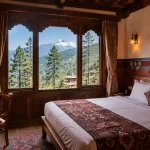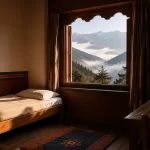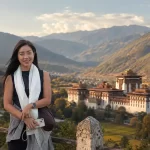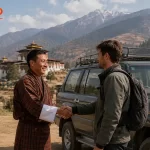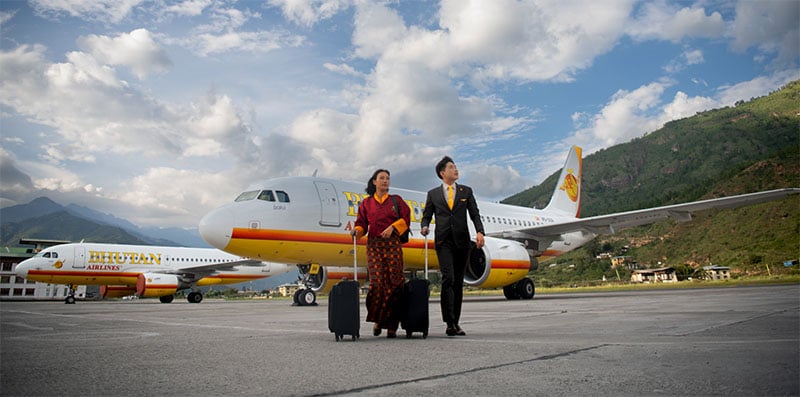
Bhutan is a year-round destination, but timing your trip well makes a significant difference. The best time to visit Bhutan is during spring (March to May) or autumn (September to November), when skies are clear, mountain views are sharp, and the festival calendar is at its richest. That said, every season offers something distinct — and the quieter months have their own rewards.
At Ambo Tours & Treks, we are a 100% local Bhutanese team licensed by the Department of Tourism of Bhutan, and we have been helping travellers from across the world plan their trips around the seasons since 2019. The advice on this page comes from experience on the ground — not a marketing calendar.
| Month | Season | Temperature Range | Rainfall | Festival Highlights | Rating |
|---|---|---|---|---|---|
| January | Winter | -5°C to 12°C | Very low | — | Good |
| February | Winter | -3°C to 14°C | Very low | — | Good |
| March | Spring | 5°C to 18°C | Low | Paro Tshechu (late March/April) | Excellent |
| April | Spring | 8°C to 22°C | Low–moderate | Paro Tshechu, Rhododendron bloom | Excellent |
| May | Spring | 12°C to 25°C | Moderate | Ura Yakchoe, Nimalung Tshechu | Very Good |
| June | Monsoon | 15°C to 26°C | High | — | Moderate |
| July | Monsoon | 16°C to 27°C | Very high | Haa Summer Festival | Moderate |
| August | Monsoon | 15°C to 26°C | Very high | — | Low–Moderate |
| September | Autumn | 12°C to 24°C | Moderate | Thimphu Tshechu (late Sept) | Excellent |
| October | Autumn | 8°C to 20°C | Low | Jambay Lhakhang Drup, Wangdue Tshechu | Excellent |
| November | Autumn | 3°C to 16°C | Very low | Punakha Dromchoe, black-necked cranes arrive | Very Good |
| December | Winter | -2°C to 10°C | Very low | — | Good |
Why Timing Your Bhutan Trip Matters
Bhutan’s geography creates dramatic seasonal variation. The country spans from subtropical foothills in the south to glaciated peaks above 7,000 metres in the north. Most visitors travel in the western valleys — Paro, Thimphu, Punakha — which sit between 1,200 and 2,800 metres, and it is this mid-altitude zone where seasonal conditions have the biggest impact on your experience.

The Bhutan travel months you choose affect three things above all: visibility of the mountains, trail conditions for trekking, and access to festivals. Understanding how these align — and where they conflict — is how we help guests build trips they are still talking about years later.
All our tours are fully customisable to your dates, budget, and interests. Whatever window your calendar allows, we will help you make the most of it.
Spring in Bhutan (March, April, May): Peak Season at Its Best
Spring is Bhutan’s most celebrated travel season, and for good reason. The monsoon has long passed, the winter haze has lifted, and the valleys are vivid with rhododendron blooms — over 46 species flower between late February and early May, painting the hillsides in reds, whites, and pinks.
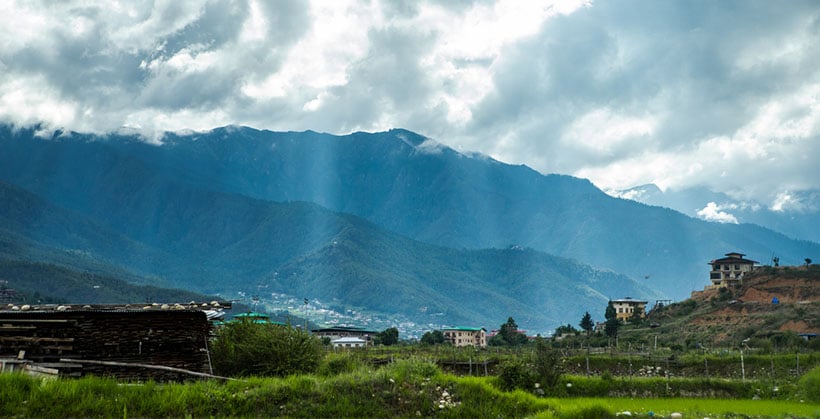
March and April: Prime Festival Season
March and April bring the Paro Tshechu, Bhutan’s most famous festival, to the town below Tiger’s Nest. Held over five days in the courtyard of Rinpung Dzong, the tsechu features elaborately costumed cham dancers performing sacred mask dances that have been repeated for centuries. The festival culminates with the unfurling of the Thongdrel — a vast embroidered thangka that devotees believe grants liberation on sight.
This is also prime time for mountain views. Himalayan peaks including Jhomolhari (7,326 metres) and Jichu Drake (6,989 metres) are visible with exceptional clarity on most mornings. Trekking conditions are ideal: the Druk Path and Jomolhari Trek are fully open and the trails are dry.
Book early. March and April are the most heavily booked months for Bhutan travel, particularly the week of Paro Tshechu. Guides and premium accommodation fill up 4–6 months ahead.
May: Fewer Crowds, Warmer Valleys
May extends the spring window with slightly warmer temperatures and marginally more humidity. The rhododendrons at higher altitude are still flowering. The Ura Yakchoe festival in Bumthang and the Nimalung Tshechu offer cultural experiences with far smaller crowds than Paro Tshechu. May is an excellent month for travellers who want spring conditions without peak-season pressure.
Ready to plan around Bhutan’s best seasons? Tell us your available dates and we will design a custom itinerary that aligns with the festivals and conditions that suit you most. Plan Your Trip →
Autumn in Bhutan (September, October, November): The Other Peak
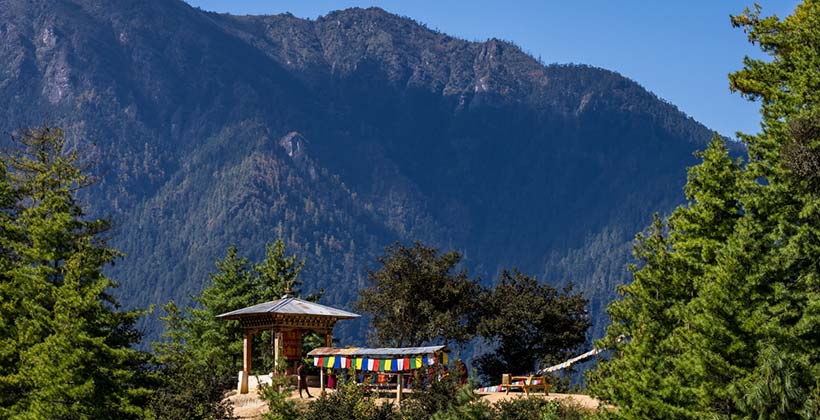
If spring is Bhutan at its most festive, autumn is Bhutan at its most cinematic. The monsoon rains wash the atmosphere clean, and from September onwards, the light quality in the valleys is extraordinary. Mountain views are as sharp as they get, and the festival calendar remains active through to November.
September: Thimphu Tshechu
Late September brings the Thimphu Tshechu — one of Bhutan’s largest and most vibrant festivals, held over three days in the grounds of Tashichho Dzong, the seat of Bhutan’s national government. The dances, costumes, and ceremony are every bit as remarkable as Paro, with the added dimension of Thimphu’s cultural landscape around you.
Temperatures are comfortable and settling: warm enough during the day, cool and clear at night. September is one of our most consistent months for guest satisfaction.
October: The Finest Month
Ask most Bhutanese what their favourite travel month is, and many will say October. The skies are reliably clear, the rice harvest turns the lower valleys gold, and the full festival calendar includes the Jambay Lhakhang Drup in Bumthang — an ancient night festival with fire dances that trace their origins to the 7th century — and the Wangdue Phodrang Tshechu.
Trekking conditions are outstanding. The Druk Path, Jomolhari, and Snowman Trek routes are all accessible, and high-altitude passes are clear before the first winter snow arrives in November.
November: Cranes and Quiet
November occupies a transition zone — still very good, gradually quieter. The black-necked cranes arrive at Phobjikha Valley from the Tibetan plateau, making this the best month to witness one of Bhutan’s most distinctive wildlife spectacles. The Gangtey Monastery hosts a crane festival in mid-November that draws both local devotees and international visitors.
Early November trekking is still excellent. By month’s end, higher passes begin to close and temperatures drop significantly. Punakha Dromchoe is typically held in November, marking it as a festival month for the western valleys.
Explore how autumn seasons fit into our Bhutan tour packages for 2026 itinerary ideas.
Monsoon Season in Bhutan (June, July, August): The Honest Assessment
The monsoon arrives in Bhutan in mid-June and the country receives significant rainfall through August, particularly in the southern and central regions. This is not the best time to visit Bhutan for mountain views or trekking — many high-altitude trails become slippery, leeches appear on forest paths, and the Himalayan peaks are obscured by cloud for days at a time.

That said, the monsoon is not without appeal — and costs are meaningfully lower.
What the Monsoon Does Well
The landscape turns extraordinarily lush. Rice paddies flood with green. Rivers run full and fast. The Haa Summer Festival in July is one of Bhutan’s most culturally authentic events, celebrating traditional Bhutanese rural life with archery, dance, food, and yak riding in the remote Haa Valley. It draws few international visitors and offers a window into Bhutanese culture that the main festival season does not.
Bhutan’s monsoon also comes with a built-in reprieve: unlike neighbouring Nepal and Darjeeling, the kingdom receives a drier “rain shadow” effect in parts of the north and west. Paro and the upper valleys often have partial clearing in the mornings, and many guests report better-than-expected weather windows even in July.
Who Should Consider the Monsoon
Budget-conscious travellers, photographers interested in lush landscapes rather than mountain panoramas, and those whose calendar leaves no alternative will find June and August (slightly drier than July) a workable window. We are honest with every guest: if your priority is Himalayan views and trekking, plan for spring or autumn. If cost and fewer crowds matter more, the monsoon can be managed well.
Winter in Bhutan (December, January, February): Serene and Underrated
Winter is Bhutan’s quietest and most underrated travel season — and increasingly popular among travellers who know the country well.
The Case for Winter Travel
Snowfall at high altitude transforms Bhutan’s landscape. The valleys at 1,200–2,500 metres — Paro, Thimphu, Punakha — are cold but rarely snowbound, and mountain views on clear winter days are stunning. Fewer guests mean more personal attention from guides, easier access to popular sites, and lower rates at many properties.
Punakha is particularly pleasant in winter. The valley sits at a lower elevation and remains mild enough during the day for comfortable sightseeing. The Punakha Dromchoe festival, typically held in February or March, is one of the most dramatic in Bhutan — a pageant commemorating a 17th-century battle, performed on the banks of the Mo Chhu.
The black-necked cranes remain in Phobjikha Valley through to early March, making December and January the best months to observe them at the crane roosting grounds.
Trekking in Winter
Most high-altitude treks are not recommended in December through February due to snow and ice on the passes. However, lower-altitude cultural walks, the Druk Path (with appropriate preparation), and valley day hikes remain accessible. Our guides have deep knowledge of safe winter routes and we advise every guest honestly on what is and is not appropriate for the time of year.
For detailed pricing across seasons, our Bhutan travel cost guide breaks down how seasonal demand affects rates.
Bhutan Climate Guide: Seasonal Summary
| Season | Months | Best For | Avoid If |
|---|---|---|---|
| Spring | Mar–May | Festivals, trekking, mountain views, rhododendrons | You dislike crowds at peak festival time |
| Monsoon | Jun–Aug | Budget travel, lush landscapes, Haa Festival | Trekking and mountain views are priorities |
| Autumn | Sep–Nov | Photography, trekking, festivals, clear skies | Travelling on a very tight budget |
| Winter | Dec–Feb | Quiet travel, cranes, Punakha, lower rates | High-altitude trekking |
Bhutan Festivals Calendar 2026: Key Dates to Plan Around
Tshechus and other festivals are among the most compelling reasons to visit Bhutan, and aligning your trip with one transforms the experience. Exact dates shift each year based on the Bhutanese lunar calendar — we publish confirmed dates each year and factor them into every itinerary we build.
Key festivals to consider for 2026:
- Paro Tshechu — late March or early April, 5 days, Paro
- Ura Yakchoe — late April or early May, Bumthang
- Haa Summer Festival — July, Haa Valley
- Thimphu Tshechu — late September, 3 days, Thimphu
- Jambay Lhakhang Drup — October, Bumthang (night festival)
- Wangdue Phodrang Tshechu — October, Wangdue
- Black-Necked Crane Festival — mid-November, Phobjikha
- Punakha Dromchoe — February or early March, Punakha
For confirmed 2026 dates and what to expect at the most important festival in the calendar, read our dedicated guide to Thimphu Tshechu 2026.
Frequently Asked Questions
Q: What is the best time to visit Bhutan for first-time travellers?
A: October is our top recommendation for first-time visitors. Skies are consistently clear, mountain views are sharp, the Jambay Lhakhang Drup and Wangdue Tshechu are both held this month, trekking conditions are ideal, and the rice harvest adds warm colour to the valleys. Spring (March–April) is equally rewarding if you can align with Paro Tshechu.
Q: What is the weather like in Bhutan by month?
A: Bhutan’s bhutan weather by month varies significantly by altitude and season. In the western valleys (Paro, Thimphu, Punakha), winters are cold and dry (–5°C to 12°C), spring is mild and clear (8°C to 22°C), the monsoon is warm and wet (15°C to 27°C), and autumn is crisp and settled (8°C to 24°C). High-altitude areas above 3,500 metres see snow from November through March.
Q: Is Bhutan worth visiting in the monsoon season?
A: Yes, with the right expectations. The monsoon (June–August) brings heavy rain and obscures mountain views, but the landscape is remarkably green, costs are lower, and the Haa Summer Festival in July is one of the most authentic cultural events in the Bhutanese calendar. It is not ideal for trekking or those prioritising Himalayan panoramas. Our team advises every guest honestly on what the monsoon involves.
Q: When are Bhutan’s major festivals in 2026?
A: The key festivals for 2026 include Thimphu Tshechu (late September), Jambay Lhakhang Drup (October), and Punakha Dromchoe (February or early March). Exact dates follow the Bhutanese lunar calendar and shift annually. Read our full guide to Thimphu Tshechu 2026 for confirmed dates and what to expect.
Q: Is winter a good time to visit Bhutan?
A: Winter (December–February) is genuinely rewarding for travellers who value quiet over crowds. The valleys of Paro and Punakha are cold but pleasant, rates are lower, and the black-necked cranes are at Phobjikha Valley through to early March. Most high-altitude treks are not advisable, but cultural itineraries work very well. Our guides are experienced in designing winter trips that make the most of the season.
Q: How far in advance should I book a Bhutan trip?
A: For travel during Paro Tshechu (March–April), Thimphu Tshechu (September), or October peak season, we recommend booking 4–6 months in advance. Premium accommodation and quality guides fill up well ahead of these windows. For shoulder and low seasons, 6–8 weeks is usually sufficient, though earlier is always better for personalised itineraries. See our Bhutan tour packages for 2026 availability.
Q: Does the Bhutan climate guide change for trekkers vs cultural travellers?
A: Yes. For trekkers, the ideal windows are April–May and October–early November, when high passes are clear and trails are dry. Cultural travellers have more flexibility — winter and early spring work well for valley-based itineraries. The monsoon is the one season we generally advise against for anyone planning significant hiking, as trails can be slippery and high routes are often impassable.
Have more questions? Contact our Bhutan specialists — we reply within 24 hours.
Plan Your Bhutan Trip Around the Season That Suits You
Every season in Bhutan offers something worth experiencing. The question is what matters most to you — festival immersion, mountain clarity, trekking ambition, budget, or simple solitude. Once we know that, we can build something that makes real sense for your dates.
Our Bhutanese guides have over eight years of experience leading travellers through every season this country offers. We know which valleys clear first after the monsoon, which festival days are most moving to witness, and where to position you to see the cranes arrive at dusk in November.
Ready to Experience Bhutan?
Tell us your dates and interests — our team in Thimphu will craft a personalised itinerary within 24 hours, at no cost.