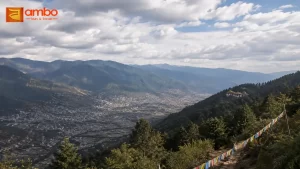
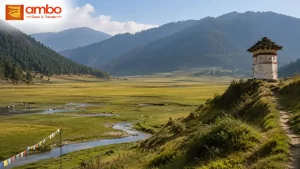
Most visitors who cross Chele La Pass are chasing the view — and the mountains here don’t disappoint, with Jomolhari and Jichu Drake rising in the distance. But a short, steep trail dropping off the ridge leads somewhere far fewer travelers ever go: Kila Nunnery, believed to be the oldest nunnery in Bhutan, tucked into a cliff face where it has stood since roughly the 9th century.
A Place Time Moves Differently
Kila Nunnery isn’t a restored monument or a polished tourist stop. It’s a living community — around 50 nuns still study and practice here, in small stone and timber structures built directly into the cliffside, seemingly suspended above the valley below. There’s no grand entrance, no gift shop, no crowd. Just prayer flags, the sound of wind, and the quiet rhythm of a place that has functioned the same way for over a thousand years.
The Hike
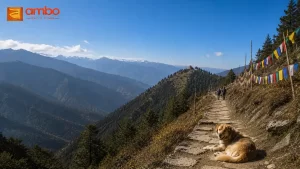
The trail begins near Chele La Pass, Bhutan’s highest motorable road at 3,988m. From there, it’s roughly an hour’s walk, almost entirely downhill, following a forested ridge before the nunnery comes into view below. The descent is gentle enough for most fitness levels, though the return climb back up to the pass is a genuine workout — budget extra time and water for the way back.
Because this route starts from an already-high pass rather than a valley floor, it offers something rare: a hike that trades altitude gain for altitude loss, making it accessible even for travelers still acclimatizing.
What You’ll See
Beyond the nunnery itself, the trail passes through dense rhododendron and fir forest, with occasional breaks in the canopy offering views back toward the Paro and Haa valleys. Depending on the season, you may cross paths with grazing yaks or catch nuns going about daily routines — chanting, gathering water, or maintaining the small terraced gardens that supplement the nunnery’s food supply.

When to Go
Spring (March–May) and autumn (September–November) offer the clearest visibility for the pass itself and the most comfortable hiking temperatures. Winter brings snow to Chele La, which can make the pass road unpredictable — check conditions with your guide before planning a winter visit.
Frequently Asked Questions
Q: How difficult is the Kila Nunnery hike?
A: Moderate. The descent from Chele La is gentle and suitable for most fitness levels, but the return climb back to the pass is steeper and should not be underestimated, especially at this altitude.
Q: How long does the hike take?
A: Around 1 hour down to the nunnery, and slightly longer back up — plan for 2-3 hours round trip including time to visit.
Q: Can I visit Kila Nunnery as part of a Paro or Haa itinerary?
A: Yes — its position on Chele La Pass makes it a natural stop for travelers moving between Paro and Haa Valley.
Q: Is Kila Nunnery still active?
A: Yes. Around 50 nuns currently live and practice there, making it a living religious community, not a historical site.
This hike pairs naturally with a wider look at Bhutan’s best hiking trails and hidden gems, and fits well into itineraries that include Paro and Haa Valley.
Interested in adding the Kila Nunnery hike to your Bhutan itinerary? Get in touch — we’ll help you build it into a route that fits your pace and interests.
Ready to Experience Bhutan?
Tell us your dates and interests — our team in Thimphu will craft a personalised itinerary within 24 hours, at no cost.