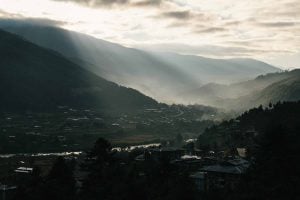
Introduction: Why Paro Should Be Your Next Travel Destination
Nestled in the breathtaking Himalayas, Paro is a captivating blend of ancient culture, stunning nature, and thrilling adventures. For travelers craving an authentic Bhutanese experience, this town offers a rich mix of historic sites, scenic hikes, and lively festivals that extend well beyond typical tourist trails. Yet, many visitors settle for generic itineraries that overlook Paro’s hidden gems and essential travel tips. This guide aims to fix that. From how to reach Paro and when to visit, to must-see attractions and unique activities, you’ll find everything you need to craft an unforgettable Bhutanese journey.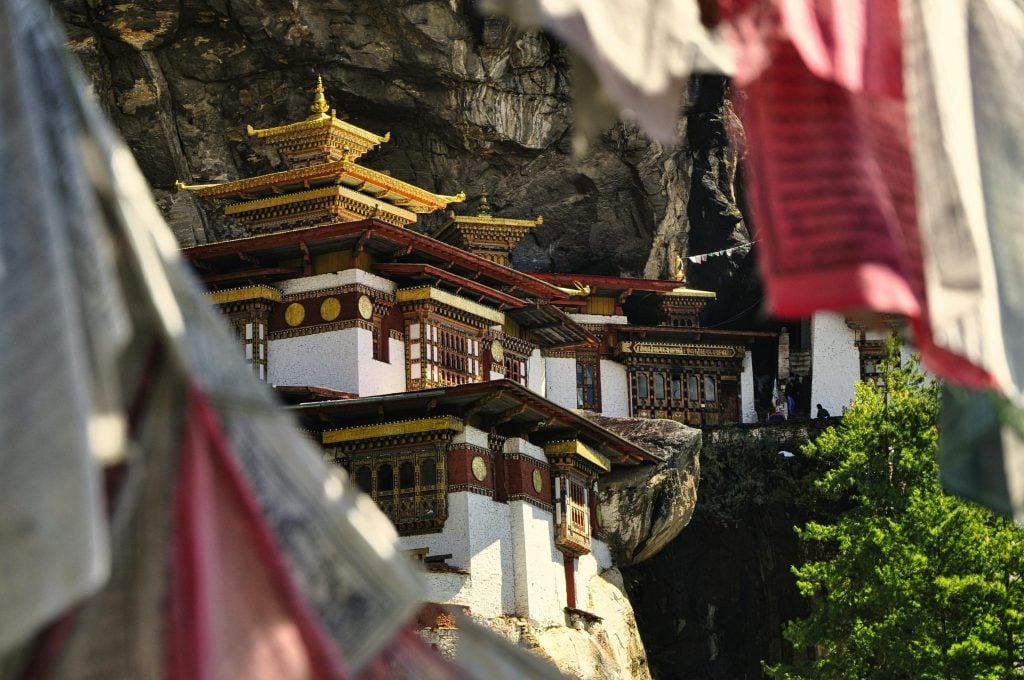
Getting to Paro: Flights, Roads, and Insider Travel Tips
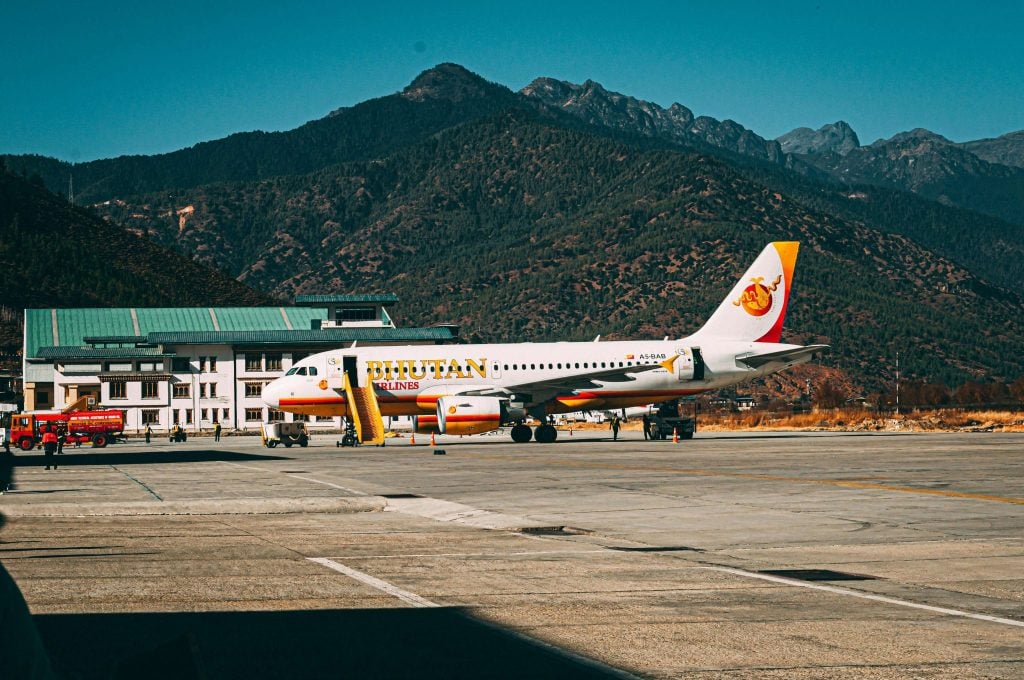
Paro is home to Bhutan’s only international airport—Paro International Airport (PBH). Known as one of the world’s most challenging airports, it sits amidst rugged mountains with a short runway that demands skilled pilots. Druk Air and Bhutan Airlines operate flights primarily from Delhi, Kathmandu, Bangkok, and Dhaka. Flying into Paro not only offers spectacular views of the Himalayas but also requires careful planning since flights can be weather-dependent.
If you prefer traveling by road or arrive from nearby Bhutanese towns or India, Paro is accessible via well-maintained mountain roads. The drive from Thimphu, Bhutan’s capital, takes about 1.5 to 2 hours through breathtaking valleys. Local taxis, private cars, and buses serve as transport options. However, many travelers opt for private drivers for more flexibility and comfort.
Pro Tip: Try to arrive during daylight hours. This lets you enjoy the stunning approach to the airport and navigate the mountain roads safely.
Druk Air’s official website for flight availability.
Best Time to Visit Paro: Seasons, Weather, and Festivals
Timing your visit to Paro can dramatically enhance your experience. The best months are spring (March to May) and autumn (September to November). During these seasons, clear skies reveal blooming rhododendrons and vivid autumn hues. These months also coincide with major cultural events like the renowned Paro Tshechu festival, where traditional masked dances and colorful ceremonies fill the streets.
Winter (December to February) brings colder temperatures and the chance to see snow-capped mountains. It’s quieter then, with fewer tourists, but some hiking trails may become icy and harder to access. The monsoon season (June to August) brings heavy rainfall, making trekking less enjoyable and sometimes unsafe.
Don’t Miss: Planning your trip around the Paro Tshechu festival offers a unique opportunity to witness Bhutan’s vibrant culture and spiritual traditions up close.
How Many Days Should You Spend in Paro? Planning Your Itinerary
Many travelers try to cover Paro in just a day or two, focusing mainly on Tiger’s Nest Monastery and Paro Dzong. While this is possible, it leaves much unexplored. To fully appreciate Paro, allocate at least 2 days to comfortably see the main sights. However, spending 3 to 5 days allows you to uncover hidden spots, join cultural activities, and savor a more relaxed pace.
If you seek adventure, consider extra days for hiking, river rafting, or exploring remote villages. Culture lovers will benefit from additional time for workshops and festivals.
Must-Visit Places in Paro: Beyond Tiger’s Nest
Paro Taktsang (Tiger’s Nest Monastery)
The crown jewel of Paro, this monastery dramatically clings to a cliffside. The 2-3 hour hike is moderately challenging but rewarding, offering breathtaking views and spiritual calm. Arrive early to beat the crowds and fully immerse yourself.
Paro Dzong (Rinpung Dzong)
This impressive fortress-monastery serves as both a religious center and administrative hub. Visitors can admire its intricate woodwork and spacious courtyards during the day.
Ta Dzong National Museum
Originally a watchtower, Ta Dzong now houses Bhutan’s National Museum. Inside, you’ll find Buddhist art, historical artifacts, and ancient weaponry. The panoramic views of Paro Valley from the museum are an added bonus.
Hidden Gems
- Drukgyel Dzong: Explore the fortress ruins that overlook the valley and offer a glimpse into Bhutan’s history.
- Chele La Pass: This is Bhutan’s highest motorable pass, just an hour’s drive from Paro. It offers spectacular Himalayan panoramas and vibrant rhododendron forests.
- Local Villages: Nearby villages like Shana and Doteng provide a window into authentic Bhutanese rural life and traditional crafts.
Unique Activities and Experiences in Paro
Paro isn’t just about sightseeing—it invites you to dive deeper:
- Archery: Bhutan’s national sport is widely practiced in villages. Visitors can watch competitions or even participate.
- River Rafting: The gentle rapids of the Paro Chhu river offer a perfect blend of adventure and serenity for beginners.
- Weaving Workshops: Learn Bhutanese textile arts firsthand from local artisans in village workshops.
- Hot Springs (Tachog Lhakhang): Soak in natural thermal baths famed for their healing properties.
- Festivals: Time your visit with Paro Tshechu for an unforgettable cultural experience.
Where to Stay in Paro: Accommodation Options for Every Budget
Paro offers accommodations to suit every traveler:
- Luxury: Resorts such as COMO Uma Paro and Zhiwa Ling Heritage blend upscale comfort with traditional Bhutanese design and amenities.
- Mid-Range: Family-run hotels and lodges offer warm hospitality without a high price tag.
- Budget: Guesthouses and homestays are perfect for backpackers or those seeking authentic cultural immersion.
Booking early, especially during festival seasons, is essential to secure your preferred lodging.
Practical Travel Tips and Cultural Etiquette
- Dress modestly, particularly when visiting monasteries; cover your shoulders and knees.
- Always ask permission before photographing people or religious sites.
- Remove your shoes before entering temples.
- Use Bhutanese Ngultrum (BTN) or Indian Rupees; credit cards are not widely accepted.
- Stay hydrated and pace yourself during hikes to adjust comfortably to altitude and mountain conditions.
Respecting these customs will enrich your experience and leave a positive impression on locals.
Make Your Paro Trip Unforgettable With Ambo Tours
Paro, Bhutan, offers an extraordinary blend of natural beauty, rich culture, and adventure. By planning carefully—choosing the best time to visit, allowing enough days, exploring beyond the typical sights, and honoring local traditions—you’ll create a truly memorable trip.
Are you ready to discover Paro’s hidden treasures and vibrant culture? Share your travel plans or questions in the comments—we’d love to hear how you plan to make your journey uniquely yours.
Ready to Experience Bhutan?
Tell us your dates and interests — our team in Thimphu will craft a personalised itinerary within 24 hours, at no cost.